- CALL NOW
- 02 9587 9702

Koikas Acoustics serves a broad range of sectors
Posted on GoogleTrustindex verifies that the original source of the review is Google. We were very happy with the work carried out by James and the team at Koikas. Their acoustic report ultimately saved us a significant amount in construction costs, while still allowing us to achieve compliance through our Section 4.55 modification. James was responsive, prompt and worked with us to quickly resolve any issues so the project could continue moving forward without delay. He was professional, supportive and easy to deal with throughout the process. Overall, the team at Koikas met and exceeded our expectations. I would happily recommend their services and look forward to working with them on future projects.Posted on GoogleTrustindex verifies that the original source of the review is Google. It was my first time having to organise a post-acoustic installation test, the team were efficient and very helpful. Thanks to Wilson in particular who made the process seamless.Posted on GoogleTrustindex verifies that the original source of the review is Google. Have just had Koikas carry out acoustic testing in my apartment prior to the installation of engineered timber flooring. The response and professionalism from the first approach to the final report was exceptional. I was kept informed during every step. Wilson turned up when he said he would, carried out all tests professionally explaining exactly what was happening with other property owners and had the finalised report to me in less than 48 hours. We are more than satisfied with with Koikas.Posted on GoogleTrustindex verifies that the original source of the review is Google. We commissioned Koikas to assist us to prepare an acoustic report requested by strata. We were in contact with Hamish, who was not only knowledgeable and professional but incredibly pragmatic in his approach to the reporting. Given the circumstances in which we were asked to commission the report, I can’t stress enough how grateful we were for the pragmatic approach that was taken to the preparation of the report. Hopefully, we won’t need to commission a report again, but if we do we know who we’ll go to. If the directors of Koikas see this, I hope you know that Hamish is a legend!Posted on GoogleTrustindex verifies that the original source of the review is Google. Big shoutout to Hamish at Koikas. He went above and beyond. We contacted Koikas for acoustic testing at our townhouse for some flooring up grades. Hamish thoroughly inspected our by laws, was punctual, friendly and EXTREMELY knowledgeable. Hamish guided us through all of the standards whilst making sure we understood what was going on and Koikas processes in place. Can’t forget about the great people working in the office as well!! Everything about Koikas is phenomenal. We are very thankful for their hard work.Posted on GoogleTrustindex verifies that the original source of the review is Google. Samara was professional and fast response, they just need to let each other know that payment made. The result from Adam was prompt and smooth. Wilson did a thorough job.Posted on GoogleTrustindex verifies that the original source of the review is Google. Very highly recommended for Your acoustic needs!staff is very cooperative and easy to deal with from start to finish.Posted on GoogleTrustindex verifies that the original source of the review is Google. Highly recommend the team at Koikas Acoustics. They delivered requested reports on time without any delay and communicated very well.Posted on GoogleTrustindex verifies that the original source of the review is Google. Would highly recommend the team at Koikas Acoustics. They recently assisted with our acoustic assessment and reporting for DA/Construction Certificates and were excellent to deal with. Prompt quoting and invoicing + fast turn around on assessment and reporting.
A Noise Impact Assessment (or Acoustic Report) is a mandatory technical document required by most local councils as part of a Development Application (DA). It proves that your proposed project, whether it’s a new café, a home renovation, or a commercial warehouse, will not create “offensive noise” for the surrounding community.
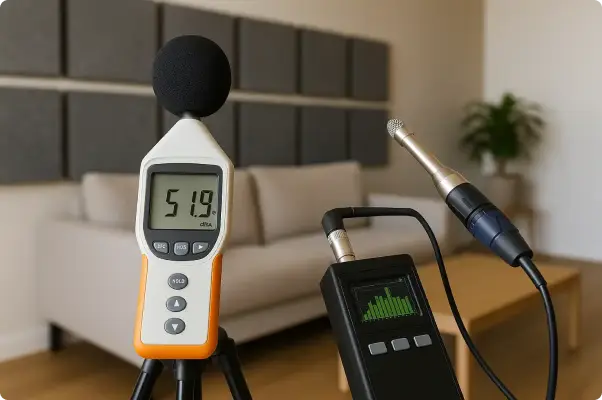
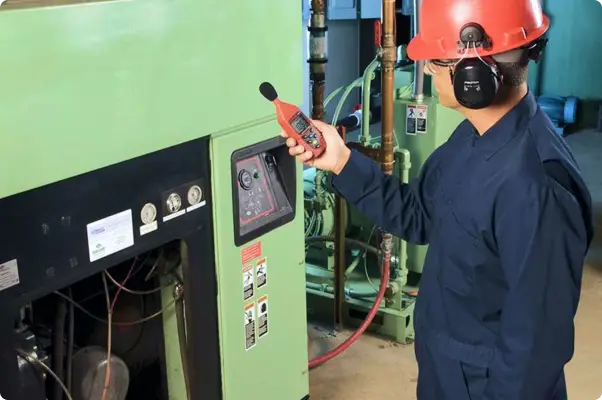
Councils have strict noise limits based on whether your area is residential, commercial, or industrial. We measure the “background noise” and offer acoustic recommendations for your project to stay within those legal limits.
For businesses like gyms or childcare centers, an acoustic report often determines your allowed opening hours. Without a favourable report, Council may restrict your operation hours.
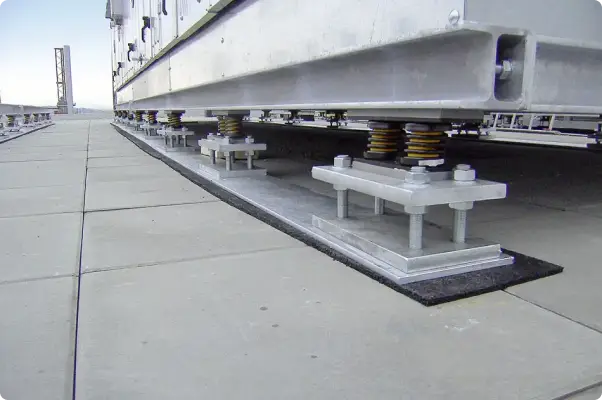
If our testing shows a potential noise issue (like a loud kitchen exhaust fan), we provide “mitigation strategies” such as acoustic screens or silencers to ensure your DA is approved without delays.
Yes. Most Strata Schemes and Owners Corporations require a formal acoustic certificate before and after the installation of hard flooring (such as timber, hybrid, or tile). This process ensures your new floor won’t disturb the residents living below you.
Every building has specific “Ln,w” (impact sound) ratings that your flooring must meet. An acoustic consultant ensures your chosen underlay and floor finish are compliant with your specific building’s rules.
If a neighbor complains about noise after your floor is installed and you don’t have an acoustic compliance certificate, the Strata Committee can legally force you to remove the floor and reinstall carpet at your own expense.
We provide “Before and After” impact noise testing (tapping tests) to give you and the Strata Committee evidence of the floor’s acoustic performance